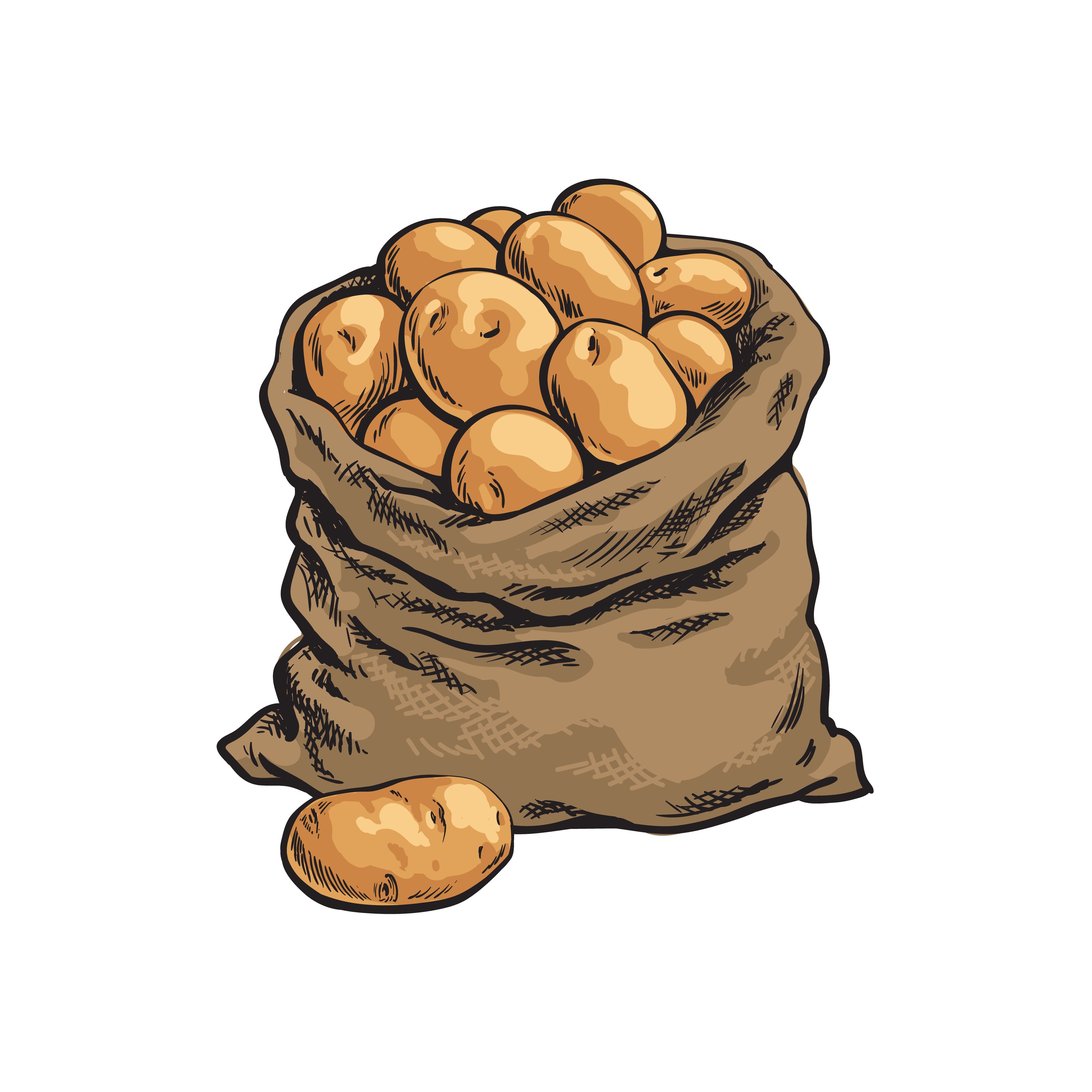
Its that time of the year again, we’re coming to the end of February, winters beginning to loosen its grip and signs of spring are starting to emerge. So, we start to think about what’s in store for the year, whether you’ve grown potatoes before or you’re a newbie, it’s the perfect time to start thinking about growing some of your own. March is the earliest we can start planting our potatoes and it also allows us to get an early crop in. This means we can free up space to plant other veg like courgettes and beans through the rest of the summer.
The variety
Let’s begin by choosing a variety that we want to grow, the UK climate can be quite diverse especially in the North, so selecting potato varieties that thrive in this environment is crucial. We’d recommend looking at choices like Maris Piper, Charlotte or King Edward. These varieties are well-suited for the UK's temperate climate and can be grown successfully from March onwards.
Getting them ready
Now you’ve picked the variety you’re going to grow, it’s time to chit your seed potatoes. Place them in a cool, bright spot to encourage sprouting. This process allows the potatoes to develop strong shoots before planting, giving them a head start in the growing season. Try and chit your seed potatoes 4-6 weeks before planting them, so now is the perfect time.
The soil
Onto the soil, Potatoes prefer well-draining, fertile soil. Prior to planting, enrich the soil with organic matter, such as well-rotted compost or manure. This will ensure the soil is slightly acidic to neutral perfect to plant your potatoes in.
Planting
Hopefully the threat of frost has diminished, typically in late March or early April, it's time to plant your chitted potatoes. Dig trenches about 4-6 inches deep, place the potatoes with the sprouts facing upwards, and cover them with soil. Space these about 12-15 inches apart, giving them room to grow. Don’t worry if you don’t have place to plant these in your garden you can get yourself some potato growing bags online, which will work just as good.
Protection
While the risk of frost diminishes in late March, be prepared to protect young potato shoots from late frosts by covering them with horticultural fleece or straw if needed.
Nurturing them
Now we just need to look after them so regular watering, especially during dry spells, is essential for a successful potato harvest. Mulching around the plants can help conserve moisture and suppress weeds. As the plants grow, consider earthing up the soil around them to protect developing tubers from exposure to sunlight.
The best bit (Harvest)
Hopefully everything goes well and in late June or July you can have the excitement of harvesting your own potatoes. Once the plants start flowering and the foliage begins to yellow and die back, it's time to harvest. Gently dig around the plants, and voilà – your homegrown potatoes are ready to be enjoyed!
Best of luck!
© 2026 - The Veg Round
Powered by
